
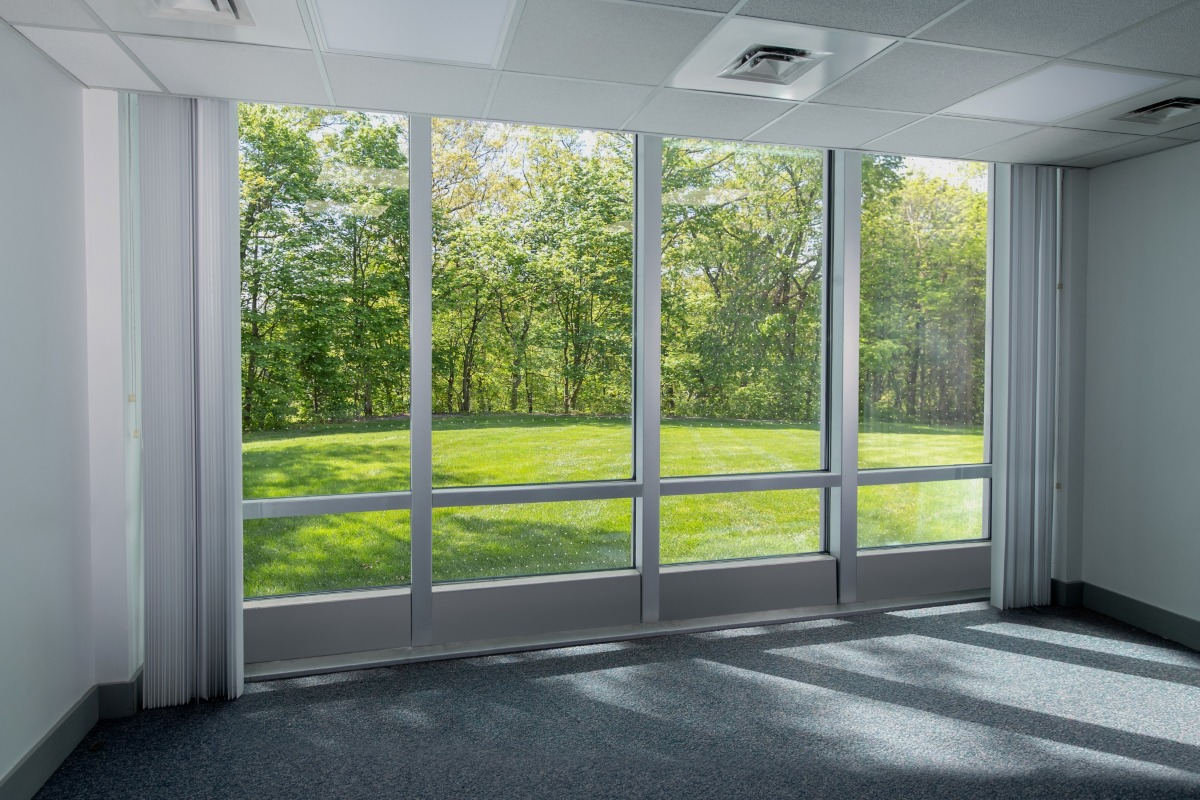
Vitro Architectural Glass released an analysis of the work that went into developing and testing its BirdSmart® Bird Safe Glass.
Vitro officials say the analysis, Bird Vetted & Approved the BirdSmart Bird Safe Glass Story: Best Practices for Testing and Evaluating Bird Safe Glass Technology, is vital because the glass industry has not developed standardized guidelines for the testing, performance and quality of bird-friendly glass.
“Innovation comes with responsibility,” says Erin Casci, MSVD product manager. “That’s why, in creating BirdSmart glass, we not only conducted rigorous testing but also validated our technology and developed best practices to ensure its effective use. Rigorous evaluations revealed that the etching process preserves the glass’s solar heat gain and visible light transmittance without compromising its strength, durability or ease of cleaning.”
According to officials, laser-etched glass, such as BirdSmart, applies the markers on the first surface and can accept low-E glass on the second surface. The laser etching process is non-caustic, uses no harsh chemicals and can be done at any plant where glass is produced and coated. The analysis breaks down the glass testing process for gloss, Taber abrasion, strength, stain and weathering.
For some categories, ASTM testing standards are accepted. For others, Vitro tapped into its expertise and testing knowledge to map out what it expects will be the industry-required battery tests for bird-safe performance.